- The Wellness Wire
- Posts
- The Wellness Wire: Issue 21
The Wellness Wire: Issue 21
Where Do You Stand?

strove .ai
January 29, 2026 • Estimated reading time: 4 minutes
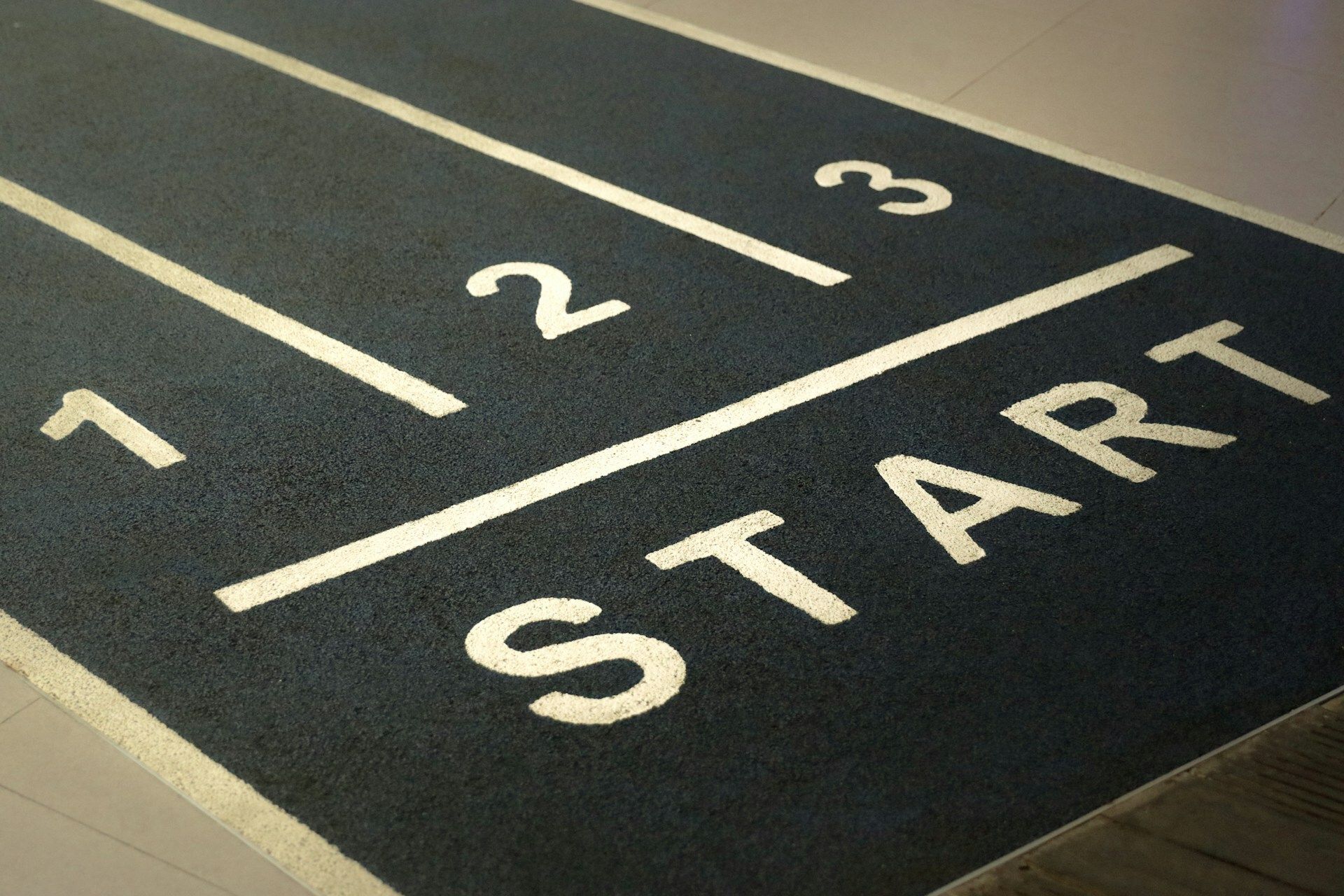
Take your marks…
The most powerful tool in your health kit isn't a shortcut; it’s a starting line. Read on for the 20-minute reality check that turns guesswork into a roadmap.
🎯 Start with a baseline
Most people start the year with a goal. Very few start with a baseline.
And without a baseline, you never really know if you’re improving, plateauing, or just having a “good week”.
This issue is a 20-minute health and fitness check: five simple tests, a red/amber/green scorecard, and a six-week plan to help you move the needle.
🧭 Why benchmarks beat goals (at least at the start)
Health is noisy. Sleep, stress, travel, workload, illness, and even hydration can change how you feel day to day.
A baseline cuts through that noise. It gives you a starting line you can come back to, so you can track real change instead of relying on gut feel.
Benchmarks also serve to hold you accountable. If your baseline is amber, you need some consistency. The win is getting off to a safe start and gaining momentum if it's red.
Important: this is not a medical assessment or a diagnosis. It’s a practical check-in you can repeat, compare, and improve.
🧰 The Strove baseline check
This is a simple, repeatable baseline you can complete in about 20 minutes. You’ll rate each test as red, amber, or green, then spend the next 6 weeks improving your weakest 1–2 areas.
We include shoulder mobility because desk work quietly stiffens the upper body over time. That can affect comfort at a laptop and make training feel harder than it needs to.
What you need
You'll need a tape measure, a standard chair, a phone timer, a wall or sturdy surface nearby, and a flat walking route (such as a track, quiet road, or long corridor).
Safety first
Stop if you feel dizzy, unwell, or develop chest pain. Skip any movement that causes pain. For balance testing, stand close to a wall or sturdy chair so you can catch yourself.
📝 How to do the 5 tests
Do these in order. Keep it consistent so your retest is a fair comparison.
1) Waist-to-height ratio (WHtR)
Measure your waist at belly-button level after a normal exhale (no cheating, don’t suck it in!), then measure your height.
Record: waist ÷ height (same units).
2) 30-second sit-to-stand
Sit on a standard chair, feet flat, arms crossed. Stand up fully and sit down fully for 30 seconds at your best sustainable pace.
Record: total completed stands.
3) Single-leg balance (eyes open)
Hands on hips, eyes open, stand on one leg as long as you can. Do 3 attempts per side. Stand near a wall for safety.
Record: best time per side (cap at 45 seconds). Score your weaker side.
4) Shoulder mobility (back scratch test)
One hand over your shoulder, the other up your back. Try to touch your fingers. Test both sides.
Record: fingers overlap, touch, or the gap (cm). Score your worse side.
5) 6-minute walk
On a flat route, walk as far as you can in 6 minutes. Strong, steady pace. This is a walk test, not a run test.
Record: distance (metres).
🚦 The traffic light scorecard
Rate each test once. No overthinking. The goal is to retest in six weeks and shift your weakest areas towards green.
These are broad thresholds for a general working population. Age, height, and injury history matter. What we care about most is your trend: can you shift your colour over time?
Health Test | 🟢 Optimal | 🟠 Threshold | 🔴 Action Needed |
|---|---|---|---|
Waist-to-Height Ratio (WHtR) | < 0.50 | 0.50–0.59 | ≥ 0.60 |
30-Second Sit-to-Stand | ≥ 15 reps | 10–14 reps | < 10 reps |
Single-Leg Balance (weaker side) | ≥ 20 seconds | 10–19 seconds | < 10 seconds |
Shoulder Mobility (worse side) | Fingers touch or overlap | Gap of 1–10 cm | Gap > 10 cm or pain/pinching |
6-Minute Walk (distance) | ≥ 600 m | 450–599 m | < 450 m |
If you’re older, shorter, or new to exercise, treat amber as a great starting point. Aim to move one band at a time.
Did you score any greens?
📈 The 6-Week "move the needle" plan
Don't try to fix everything at once. Pick your 1–2 lowest results (prioritise Reds) and commit to these minimum effective doses. Consistency beats intensity every time.
1) Waist-to-height (The metabolic reset)
The goal: Reduce central inflammation and improve metabolic health.
The move:
The "Plus 2k" Rule: Don't worry about 10,000 steps. Just add 2,000 steps to your current daily average.
The Protein First Habit: Eat your protein and fibre before the carbs in every meal. It stabilises your blood sugar and kills cravings.
2) 30-second sit-to-stand (life-proof legs)
The goal: Build the "functional engine" of your lower body.
The move:
The "Commercial Break" Set: 2x per week, do 3 sets of "Explosive Squats". Sit down slowly, stand up fast.
Level Up: Carry a heavy backpack or a grocery bag while doing them to build real-world strength.
3) Single-leg balance (the flamingo 🦩 method)
The goal: Shield your joints from injury and sharpen your focus.
The move:
Habit Stacking: Stand on one leg every time you brush your teeth (switch halfway).
Challenge: Once that’s easy, try doing it while turning your head from left to right. It’s harder than it sounds.
4) Shoulder mobility (the desk therapy)
The Goal: Undo the "C-Shape" posture caused by laptops and phones.
The Move:
The Doorway Opener: 3x a day, spend 60 seconds leaning into a doorway stretch (arms at 90°).
Floor Slides: Spend 2 minutes tonight lying on your back, sliding your arms overhead like you're making a "floor snow angel".
5) 6-minute walk (the engine room)
The Goal: Increase your VO2 max and daily energy levels.
The Move:
The "Gear Shift" Walk: 3x a week, take a 20-minute walk. Every 2 minutes, "shift gears" into a power-walk pace for 60 seconds, then return to normal.
The 10-Minute Post-Lunch Rule: A brisk 10-minute walk after your biggest meal is a "cheat code" for better digestion and steady energy.
🏁 Bonus tests (for the overachievers)
If you enjoyed the baseline check and want two extra challenges, add these. Optional, but satisfying to track.
1) Forearm plank
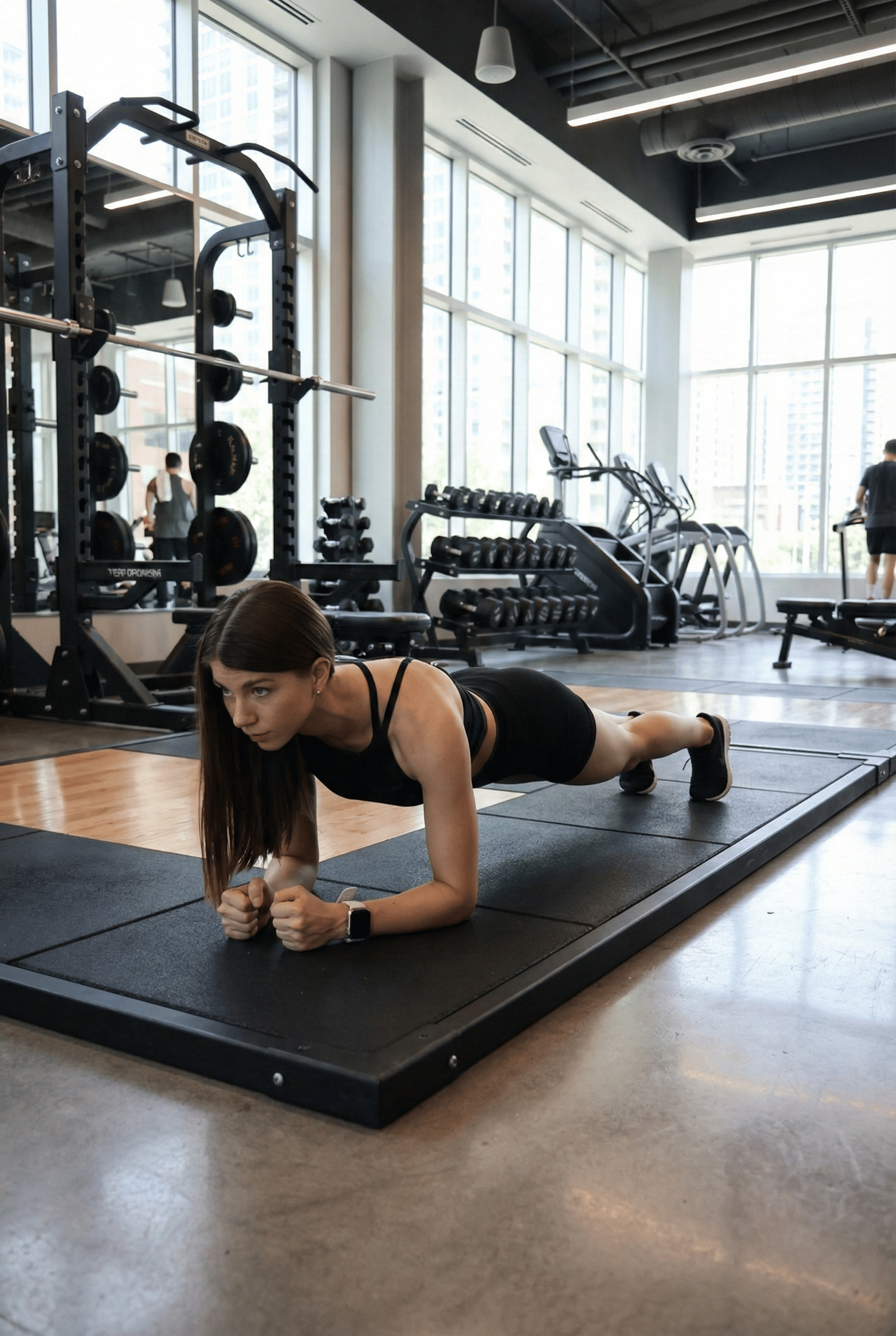
Measures: trunk endurance, which supports lifting, carrying, posture under fatigue, and training tolerance.
Red / Amber / Green
🟢 ≥90 seconds
🟠 45–89 seconds
🔴 <45 seconds
Move towards green3×/week: accumulate 2–4 minutes total in multiple sets (e.g., 4 × 30–45s).
Progress by adding time first, then harder variations (side plank, long lever).
2) Dead hang
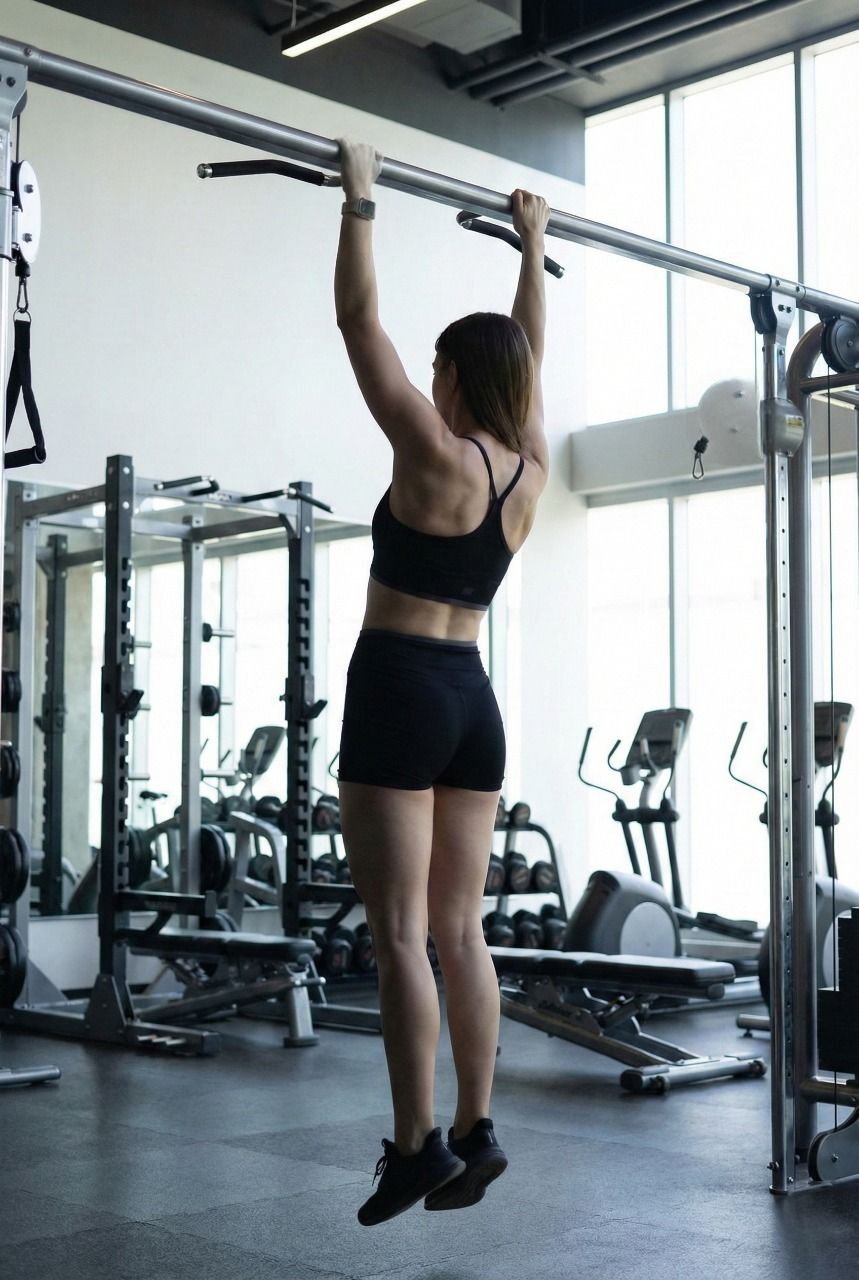
Measures: grip endurance and shoulder tolerance under traction.
Red / Amber / Green
🟢 ≥45 seconds
🟠 20–44 seconds
🔴 <20 seconds or shoulder pain
Move towards green2–3×/week: accumulate 60–120 seconds total in short hangs (e.g., 6 × 15–20s).
Use a box to lightly assist if needed.
If hanging causes sharp pain or pinching, skip it.
🔁 Retest & reset
Your baseline isn’t a verdict. It’s a start line.
Pick one red (or your lowest amber). Do the minimum plan for 6 weeks. Keep the rules the same, then retest.
Retest date: __________ (schedule it now!)
Your only goal: shift at least one metric towards green.
📢 Spread the Word
If this issue made you think, share it with someone who’d benefit from a clear starting point. The best health plans don’t start with motivation; they start with a baseline.
🏢 Building healthier teams? If you want to run this baseline loop at scale (measure → nudge → support → remeasure), Strove provides a practical way to turn prevention into action, linking behaviour change, engagement, and wellbeing support into one unified experience.